In the previous post, I explained that the skin has a property of “contracting twice,” which is why procedures that reduce the underlying framework—such as
facial contouring surgery or facial liposuction—can still lead to good outcomes even though volume beneath the skin is reduced.
In today’s post, however, I’d like to explain something interesting: why patients who have previously undergone facial contouring procedures (zygoma reduction, mandibular angle reduction, chin surgery) or facial liposuction (anterior cheek, nasolabial area, buccal fat, double chin) often experience particularly dramatic improvements after a facelift.
Last time I explained that the skin contains elastic properties similar to rubber or springs, and that these properties continuously act to make the skin shrink and contract. Because of this, when the skin is surgically separated from the underlying tissue, we can observe a phenomenon called primary contraction, in which the skin shrinks noticeably—almost like dried squid.
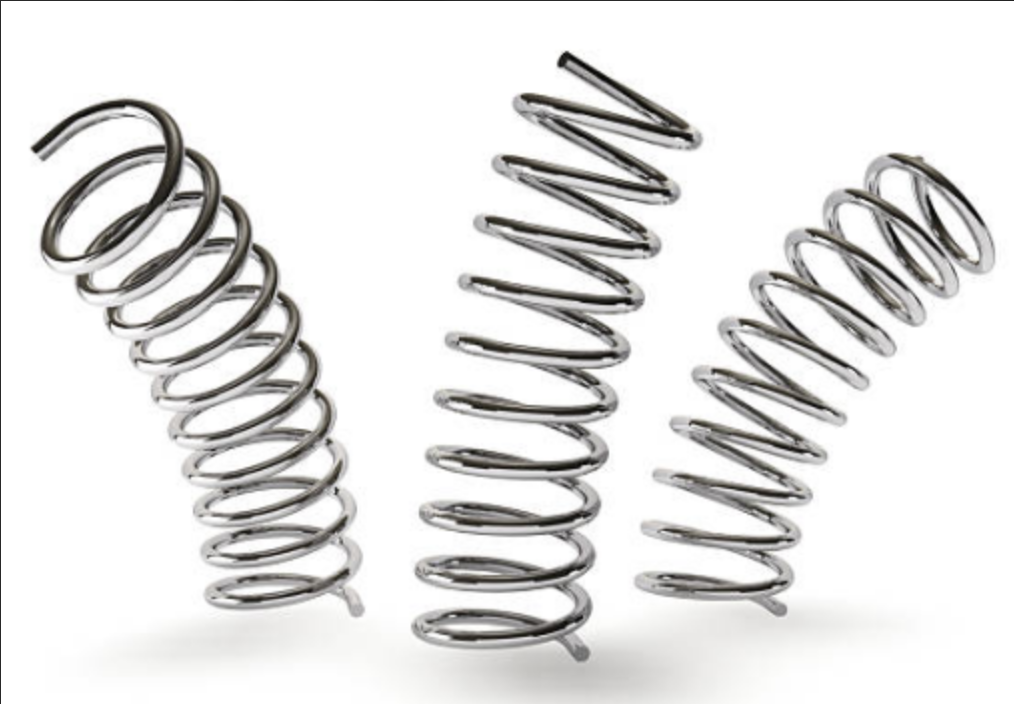
If we look more closely at the structure of the skin under magnification, we can actually see tiny spring-like components called elastic fibers. These structures—known medically as elastic fibers—are shaped like microscopic springs and function very much like them. They allow the skin to stretch and then naturally return toward its original position.
This spring-like behavior is one of the key reasons the skin can tighten on its own after procedures such as facial contouring surgery, liposuction, and facelift surgery.
In other words, when the skin needs to stretch, these elastic fibers allow it to expand smoothly. And when that stretch is no longer needed, they help the skin shrink back and tighten again. This built-in spring-like behavior is one of the reasons the skin can naturally adapt after procedures that reduce underlying volume, such as facial contouring surgery or facial liposuction.
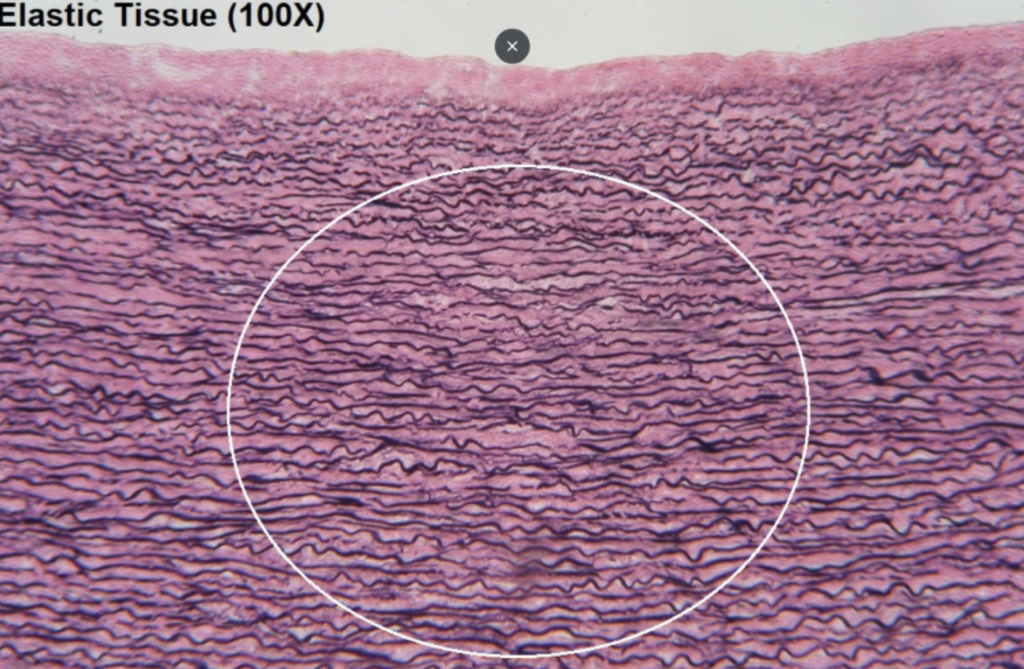
(I’ve included a microscope image here—even though it’s from a different type of tissue—because the elastic fibers are especially easy to see.) The thin, wavy black lines in the image are elastic fibers.
They really do look like tiny springs, don’t they?
When these fibers are stretched, they lengthen. And when the stretching force is gone, they shrink back again—helping adjust the skin’s size and tension. Because of this mechanism, moderate changes in facial volume do not necessarily cause the skin to sag.
But what happens if these “springs” become weaker or disappear?
If the skin remains the same but the internal spring-like support is reduced, the tightening force decreases. As a result, the expanded skin has less ability to recoil—and this leads to looseness and sagging.

(You can see that the number of the green springs has decreased in the aged image on the right.) In other words, when we are young and the springs are still tight and elastic, even if the hand inside the glove becomes slightly smaller (for example after facial contouring surgery or liposuction), the glove shrinks together with it (because the springs contract),
so the hand still looks naturally well-shaped. However, as aging progresses into the 30s and 40s, the number of these springs decreases, and that is when the size mismatch starts to become noticeable.
These spring-like structures, called elastic fibers, naturally decrease with age. This is one of the key reasons the skin becomes less firm over time. One of the most important changes that occurs with aging is the gradual loss of elastic fibers in the skin. In other words, the tiny “springs” that help the skin stay firm and resilient slowly decrease over time. As these spring-like structures become weaker, the skin loses its ability to bounce back—leading to looseness and sagging.
Imagine wearing a beautiful hand inside a stretched-out rubber glove. No matter how nice the hand is, it would still be hidden behind the wrinkled glove, right?
But the good news is—for surgeons who specialize in facelifts, this is actually a very simple situation to correct.
Because when the glove is too large for the hand, all we need to do is tailor the glove so that it fits properly. Of course, once it’s adjusted, it is no longer really a “rubber glove.”
And after all, how often do you see rubber gloves in luxury boutiques?
Almost never.
Most gloves are made of leather, or high-quality fabric. So for this example, let’s imagine the glove is made of leather instead.

These luxury gloves may not stretch, but they still look elegant and refined, don’t they?
That’s because designers in the luxury industry carefully design and tailor them to fit the wearer’s hands perfectly.
Now, have you ever heard the saying,
“Your face is the finishing touch to your overall look.”

Just like that, no matter how beautifully a luxury designer glove is made, if it is worn by the large, muscular hand of an arm-wrestling champion, it simply won’t look as elegant anymore.

Patients who have already undergone facial contouring procedures—such as cheekbone reduction, square jaw reduction, or chin surgery—or facial liposuction in areas like the anterior cheek, nasolabial region, buccal fat, or double chin are actually in a very favorable situation. In these cases, the “hand” has already been beautifully refined. The reason the result may not look as attractive over time is simply that the “rubber glove” covering it has become stretched with aging.
In other words, if we reshape the glove so that it fits properly again, the refined hand—the naturally improved facial structure underneath—becomes visible right away. This is why these patients often experience particularly high satisfaction after a facelift.
However, there is one important point to keep in mind. Rubber gloves tend to fit reasonably well as long as the general size is correct, but leather gloves are different. The final appearance and fit can vary greatly depending on whether they are tailored by a highly skilled craftsman or by someone less experienced.
Custom-tailoring that kind of glove to fit each individual properly is exactly what a facelift specialist does, and it is a central part of the work I focus on in my practice. In the next post, I’ll share more about myself and my approach to this field.